57 fotos


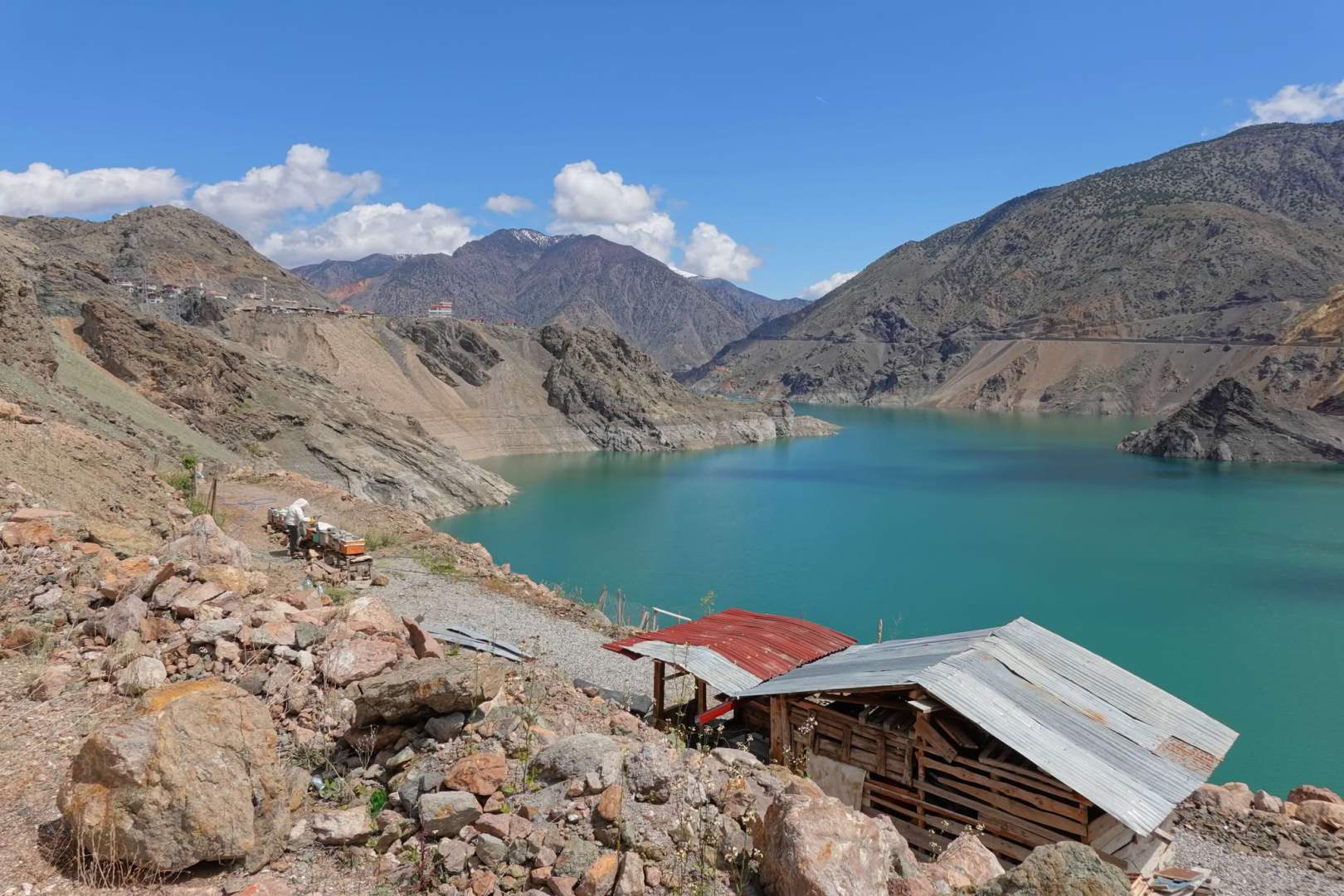


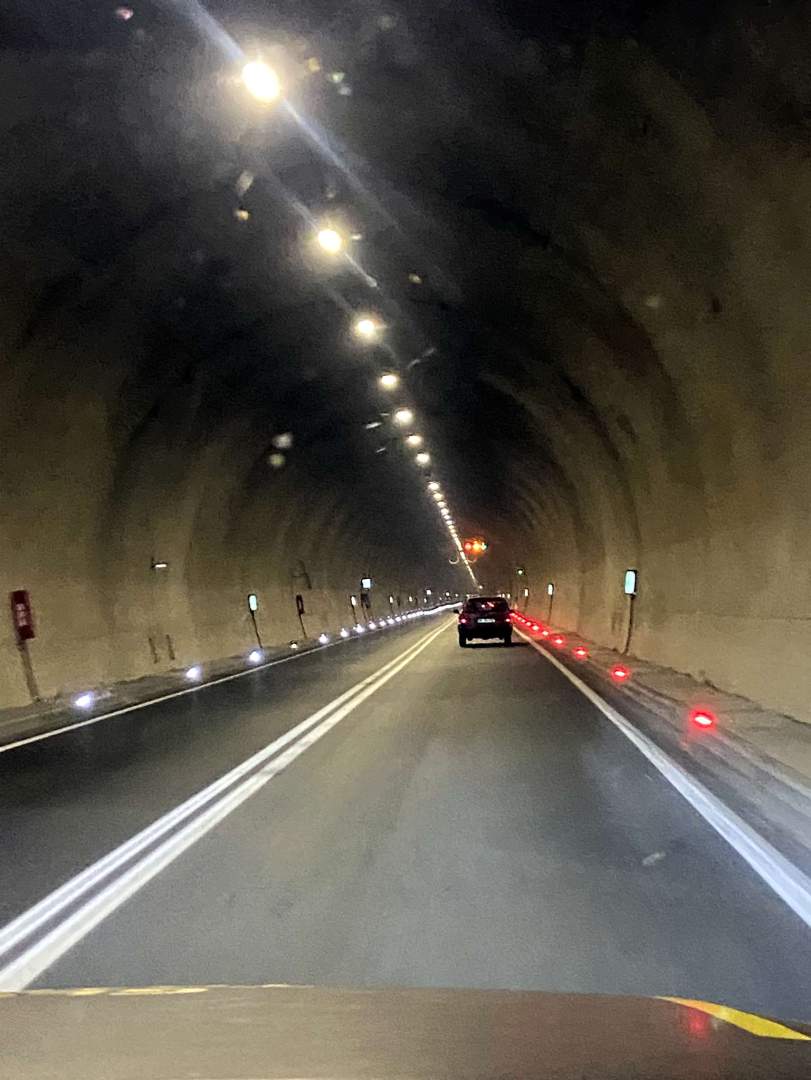




Today we continued our journey through the Çoruh River valley, and my humans were completely engrossed in watching tunnels and viaducts. There were so many of them. Every few minutes, we would disappear inside a mountain or cross ravines via gigantic bridges. It seems that here, they simply decided to surrender to the geography and blast their way through it with concrete.
We passed through the new Yusufeli, which is one of the strangest places we have seen in Turkey. The old town was buried underwater due to the valley's enormous hydroelectric project. Essentially, they built a massive dam on the Çoruh River and had to relocate the entire town further up the mountain.
And when I say a massive dam, I mean it. The Yusufeli Dam is one of the highest in the world, standing over 270 metres tall. To build all of that, they also had to construct kilometres and kilometres of tunnels and new roads because the old valley disappeared beneath the reservoir water.
We drove around the new Yusufeli, and the feeling is most peculiar. It isn't exactly pretty. It looks like a city built in "copy-paste" mode, with countless identical buildings climbing the mountains. But that is precisely what makes it interesting. Everything is too new, too planned, and too orderly, as if someone had assembled a city from scratch using Lego bricks.
After that, we continued along the route, viewing the enormous reservoir nestled between the mountains until we reached Artvin. And my word, Artvin. The city looks like it was built vertically by mountain goats with expertise in extreme engineering.
The gradient is impressive. There are hundreds of metres of difference between the lower and upper parts, and the streets climb at such steep angles that it makes our campervan look like it’s training to climb Everest.
Just as we were ascending, we had the "charming" moment of the day. A Turkish lady in a huge Land Rover-style car appeared head-on in a narrow street, with her young daughters inside. It would have been much easier for her to reverse and pull over for a moment… but she decided against it.
Result: Daddy Edu had to reverse uphill, backing halfway into an impossible roundabout while the lady waited calmly as if she were watching a performance. From inside, I watched it all, thinking that humans turn every manoeuvre into an unnecessary extreme sport.
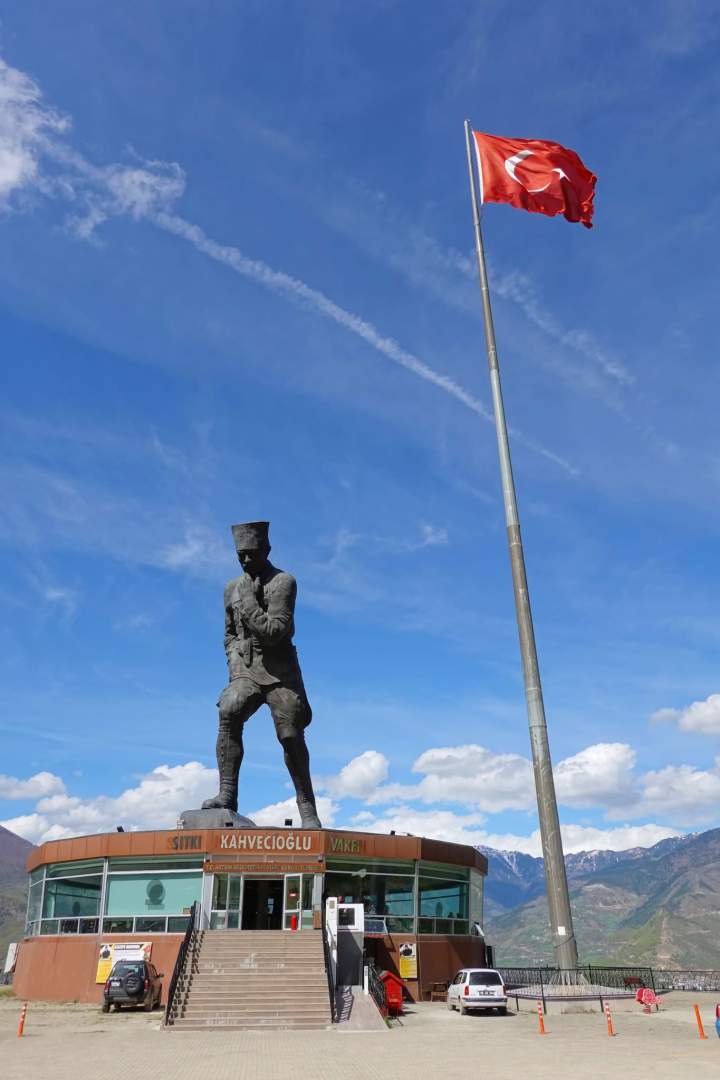
In the end, we made it to the very top, to the massive statue of Atatürk that overlooks Artvin from the mountain. The statue is gigantic—one of the largest in the world dedicated to Atatürk—and it can be seen from half the city as if it were watching over the entire valley.
And the most curious thing is in the car park. They have the enormous concrete moulds used to cast the final bronze statue on display there. A head, hands, boots—giant body parts scattered across the ground as if Atatürk had been carefully exploded into museum pieces. It is truly impressive to see the actual size of each part up close and understand how they assembled such a metallic monster up there.
The car park was also huge and perfectly flat, so we took the opportunity to eat peacefully in the campervan while enjoying the views. Then came the official photos, the selfies, and a while spent looking at the city from above while I feigned professional patience.
Afterwards, we headed back down through the impossible streets of Artvin and continued towards the coast, in the direction of Hopa. But before reaching the Black Sea, we decided to look for a place to sleep because we already know that area, and it usually comes with plenty of traffic, noise, and chaos.
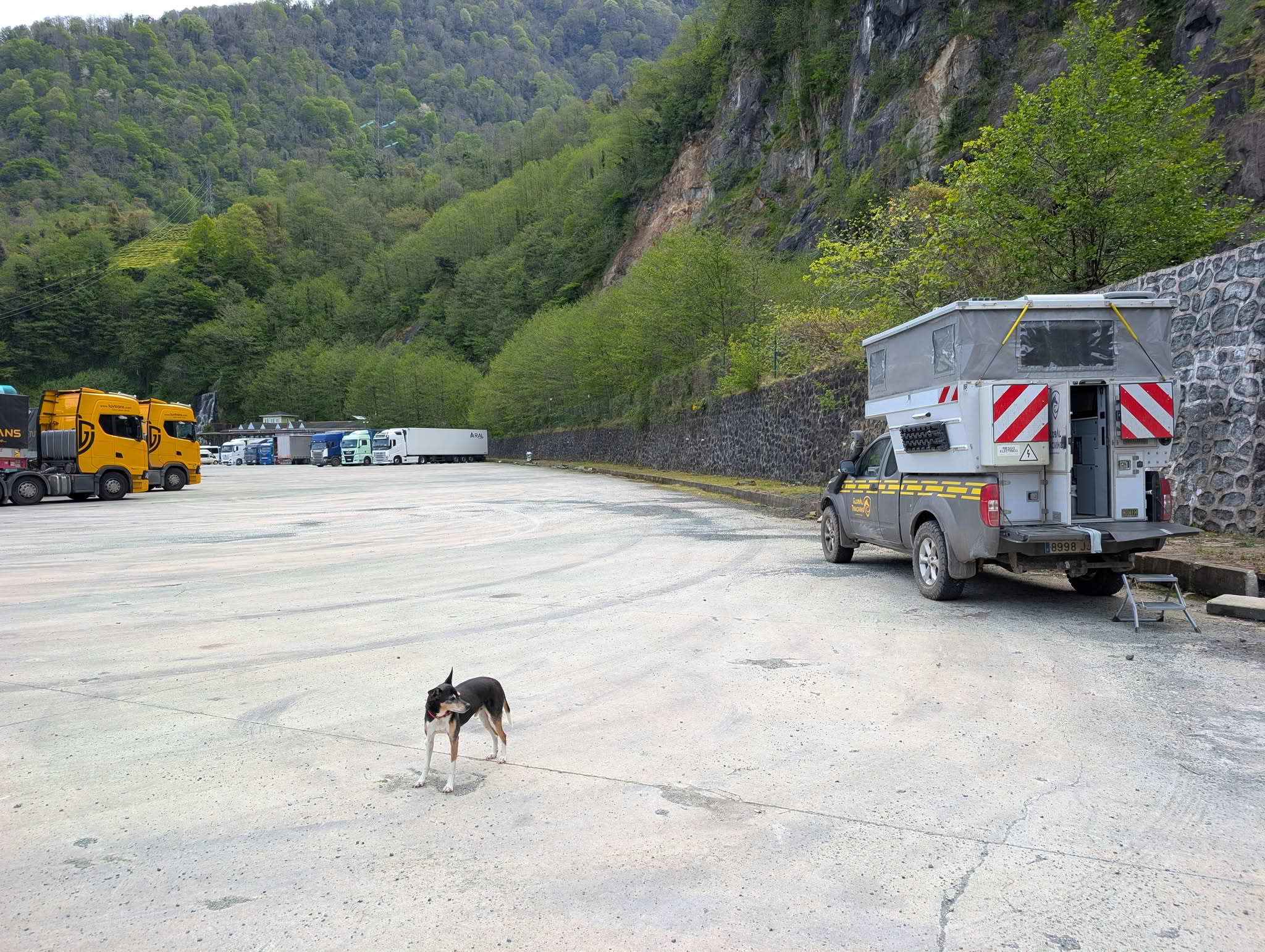
And in the end, we found something much better. We are now in the middle of a tea plantation, high up on a hill, surrounded by greenery and next to some small cargo cable cars. Tea is one of the most important crops in the whole region here, and the slopes are so steep that they often use these cable systems to transport sacks of freshly picked leaves down the mountain to the road or processing areas.
So, this is where we are sleeping today: among tea fields, mountain mist, and little cable cars crossing the hillsides as if the local farmers had built an agricultural theme park.
Añadir nuevo comentario