69 fotos
















The spot at the tea plantation was one of those that deceives anyone at first glance. Everything green, on a hill, with wide-open views and the camper parked as if it were going to be a postcard-perfect night. I even got carried away and thought this was going to be a night of deep sleep, relaxed ears, and a silent world. But at midnight, the wind decided that this wasn't a postcard; it was a toy. It started buffeting the camper with intent. There was no way to sleep, so Papi Edu and Tito Joan did the sensible thing: head down from the hill before the wind shook us like a tin of sardines with a view.
We went down and found a spot on the side of the road, among the trees, more sheltered. It seemed like a serious hideout, one of those you look at and say, “Yes, here, not even a GPS could find us.” We set everything up again and climbed into bed with that lovely human delusion that lasts exactly as long as it takes the wind to change its mind. Because it came back. And it came back worse. The trees started moving as if they were doing late-night gymnastics, and the camper again felt like a small boat in the middle of a bad idea. So, general pack-up and strategic retreat downhill once more.
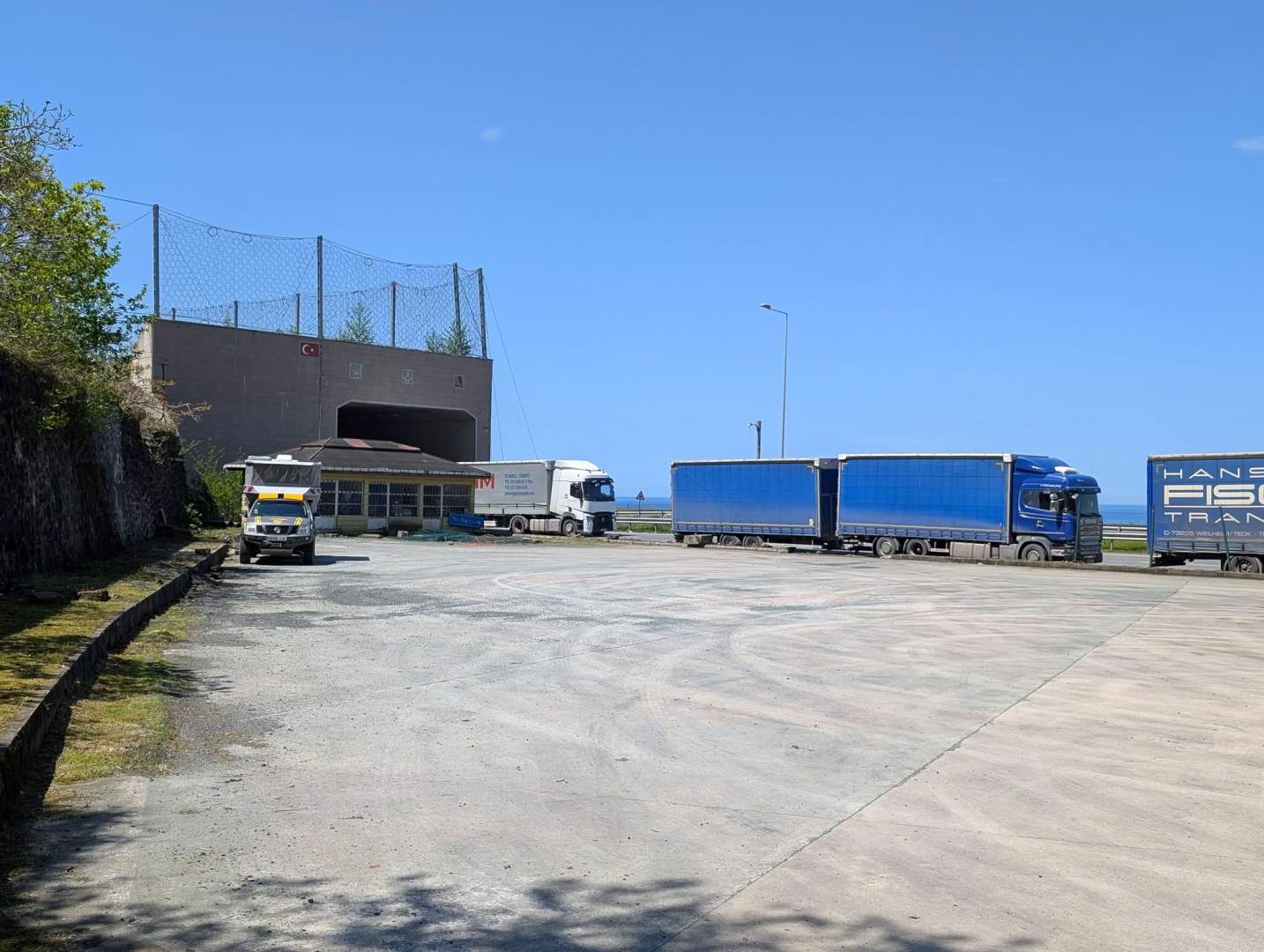
This time, to the coast. And here, the world did something suspicious: usually, coastal wind is the final boss, the kind that wakes your soul up. But tonight, it was significantly calmer. In Hopa, we looked for somewhere that gave us a good vibe, but nothing appeared, so we continued to a truck stop on the road toward Georgia. It wasn't exactly a spa with a view—it was more of a concert of engines with a side of pre-dawn lights—but we managed to get some sleep between the starts and mechanical snoring.
By midday, we were already rolling toward the border, which caught us almost by surprise because of how close it was.
The crossing was quite smooth. First, we left Turkey with passport control, much like leaving a shop after showing your receipt. Then came the unexpected part: before entering Georgia, we had to pay an outstanding toll for the Eurasia Tunnel in Istanbul, the one that crosses under the Bosphorus between Asia and Europe. The funny thing is that we had passed through it almost three years ago, and yet the license plate was still there, filed away like a memory with selective amnesia. The amount was small, about five euros including the surcharge—more of an anecdote than a fright.
Tito Joan had already cleared the two border controls separately without issue and was waiting for us on the other side, in Georgia, with that calm demeanor of “I was already in another country and you lot were still stuck in bureaucracy.”
After that, we sorted out the mandatory car insurance—quick, about thirty euros for fifteen days—and headed toward Batumi.
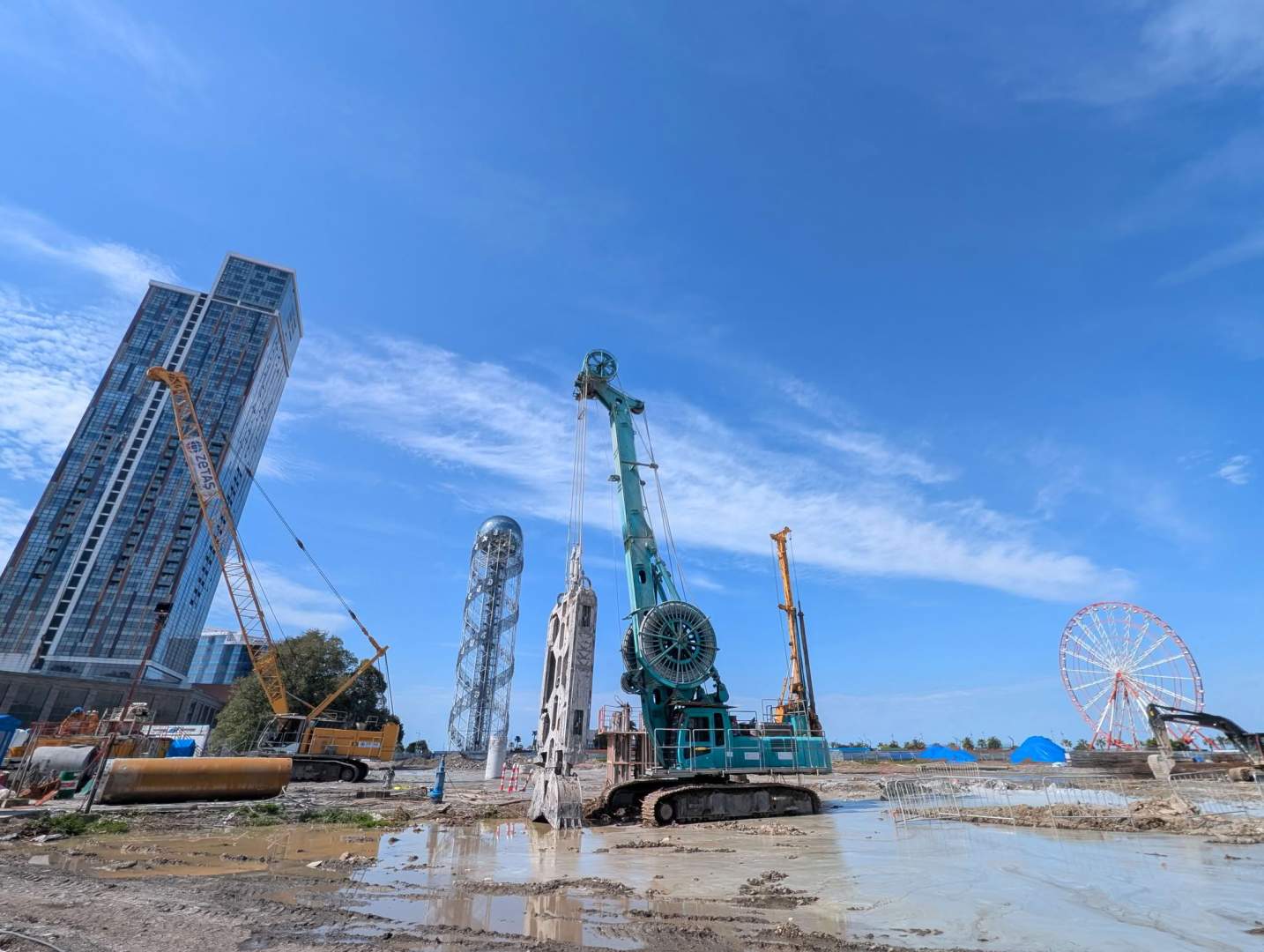
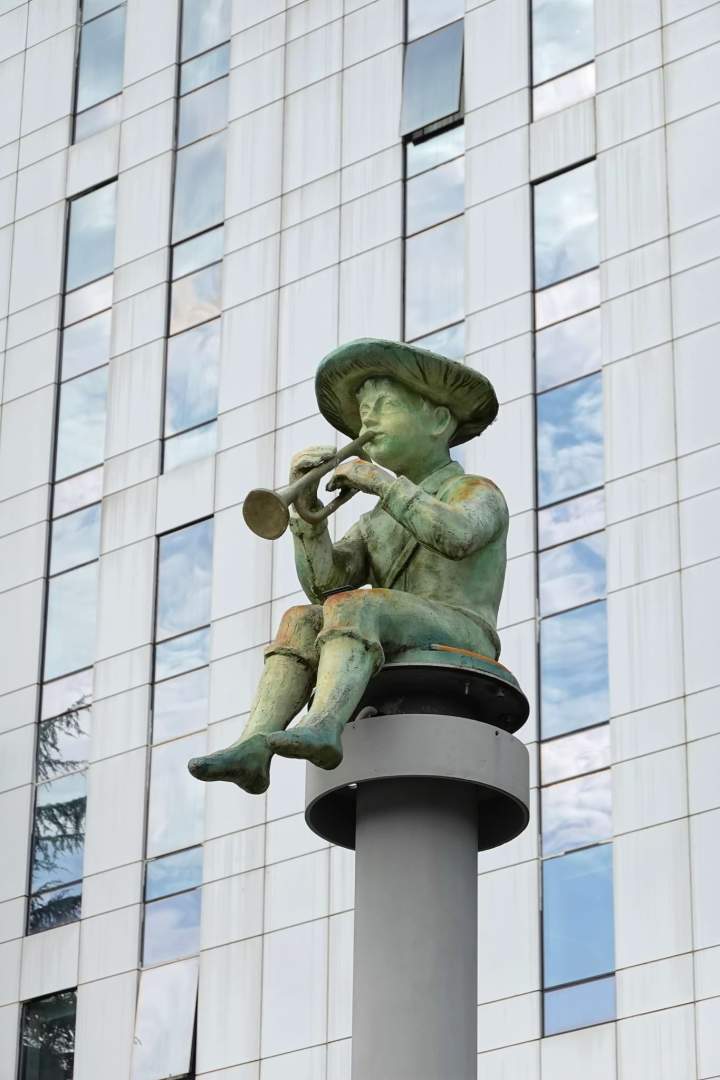
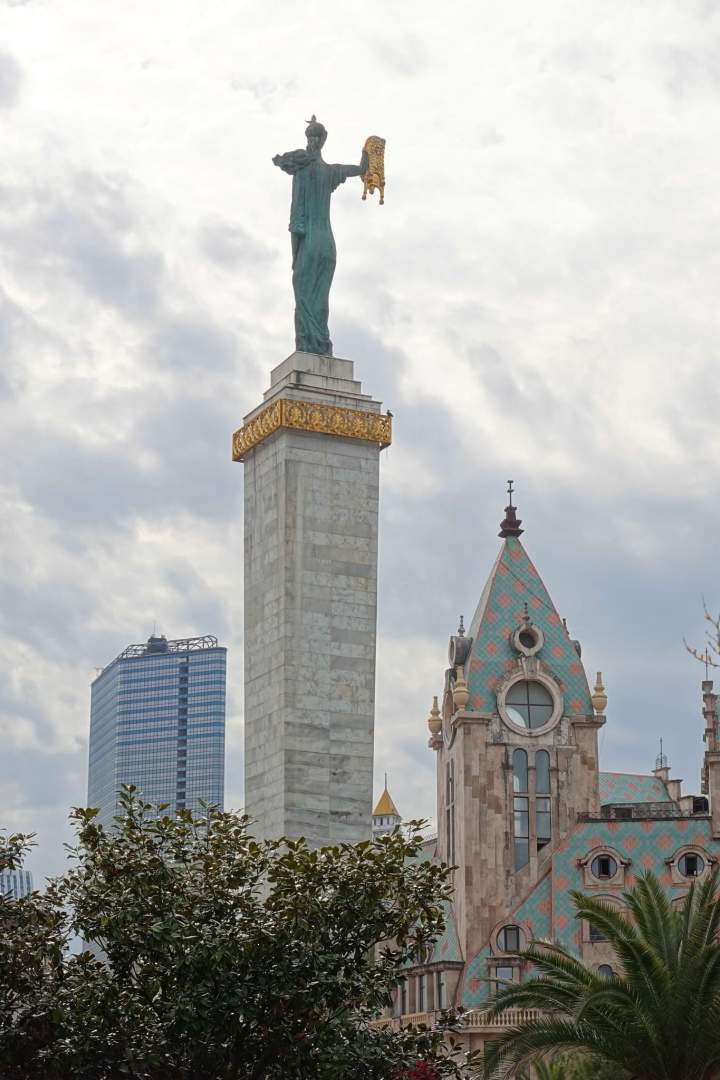
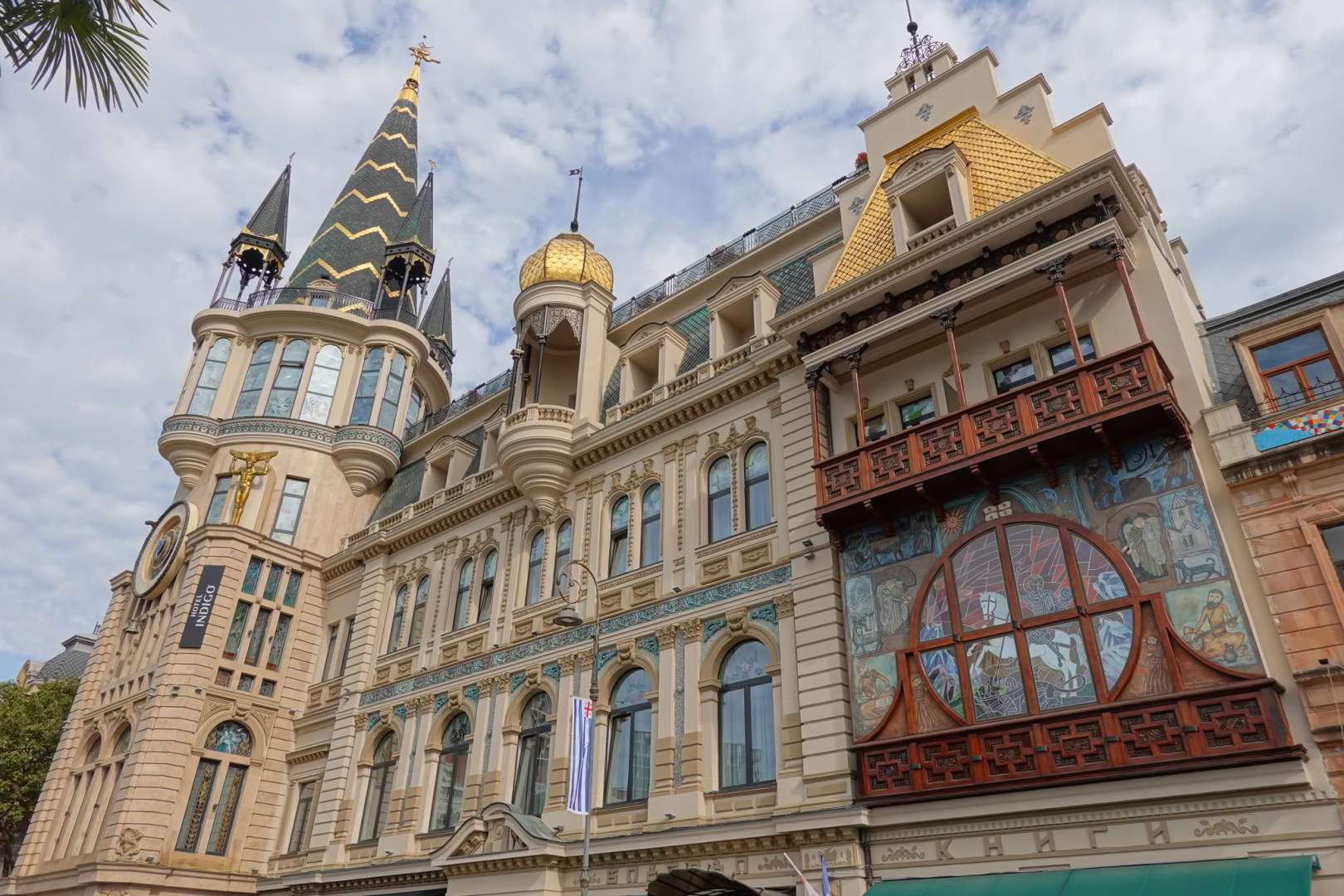
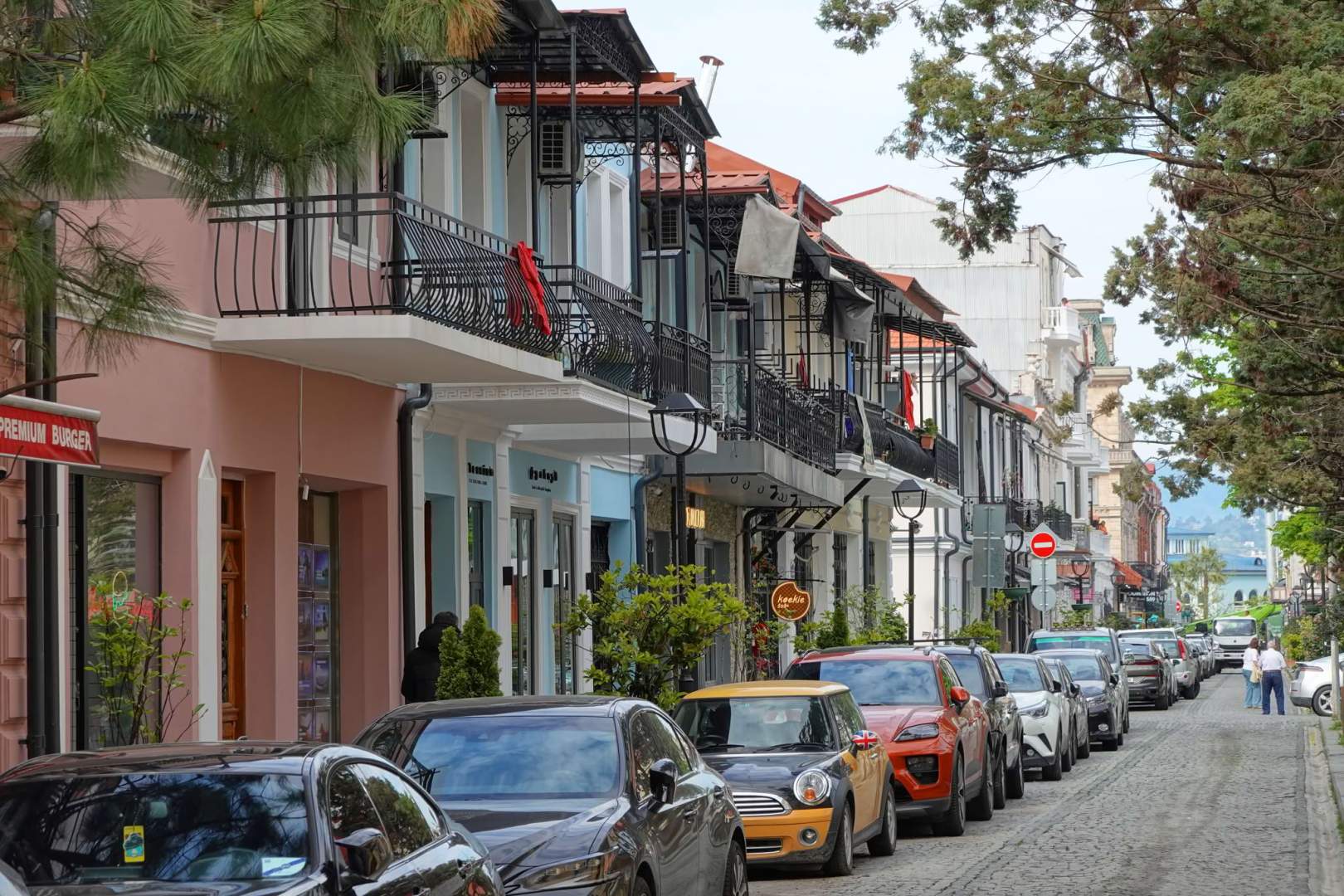
We parked near the port and the promenade. Batumi has that air of a city that has put on a shiny suit without deciding if it’s for a party or a serious meeting. On one hand, modern buildings, huge hotels, and cars that look like they’ve come straight out of an expensive catalogue. On the other, more ordinary streets where all of that mixes without asking permission. It’s like a city that has grown too fast and is still learning how to walk in new heels.
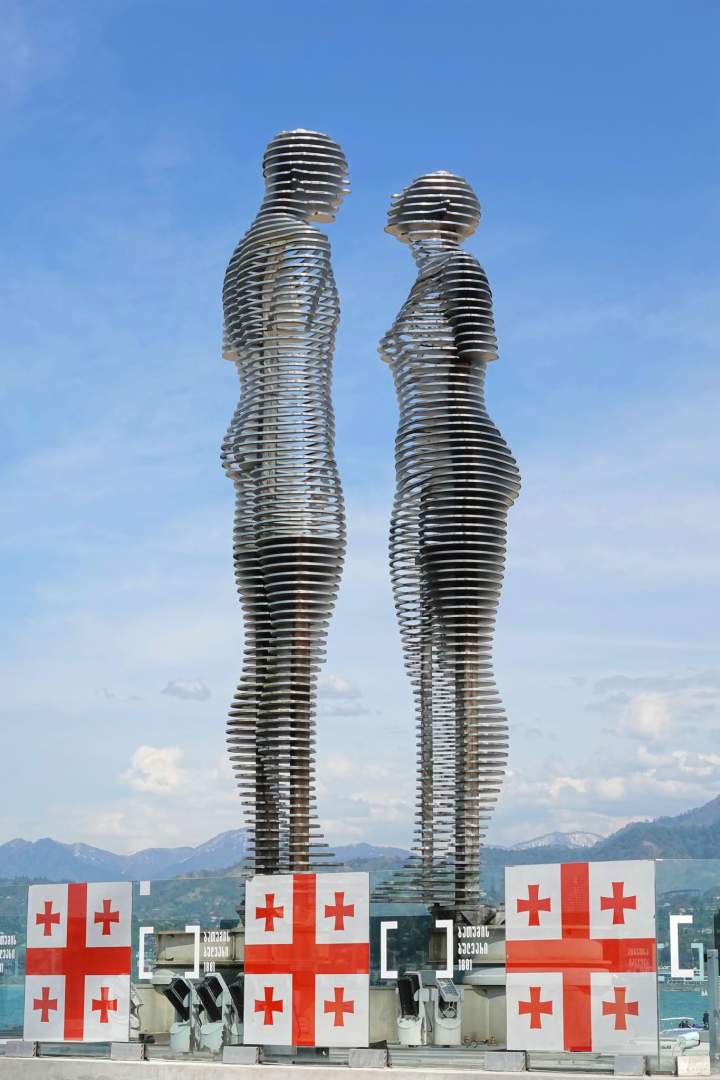
The highlight of the walk was the Ali and Nino statue. Two giant metallic figures facing the sea that don't stay still for a second. They are the protagonists of Kurban Said’s 1937 novel. Ali, a young Azeri Muslim, and Nino, a Georgian princess. A love story cut through by borders, cultures, and complicated times. Here, they don't stay still to explain it, but keep moving: they approach each other, pass through one another, and separate again and again. I watched it and thought that if I did that with Papi Edu every two minutes, the three of us would end up dizzy.
After the city, we headed north, leaving Batumi behind. In about thirty minutes, we arrived at a spot on the coast we had known for years. A gravel beach, a small pine forest, and space to park with shade and views of the city in the distance. One of those places that doesn’t need to make noise to be likeable.
And here the social chapter of the day began, even before the camper had finished settling. Three guys in their thirties approached, who were having a barbecue with their families just nearby. They came over with a very healthy curiosity, the kind that doesn't push but asks with their faces. They were also traveling in a very basic Japanese camper, looking like it had seen many places without needing to show off.
First, they showed us theirs, with quiet pride, and then we showed them ours. And that’s when the official exchange of worlds on wheels began. Doors, beds, drawers, looks of surprise, and lots of laughter without a perfect shared language. They were a bit blown away, and so were we, each in our own way, as if the campers were exotic animals being shown off in an improvised nature park. Afterward, they went back to their families.
Then yes, it was time to downshift. We took a walk along the beach, with the sea calm and the pine trees acting as a soft wall behind us.
And as the sun began to set, we returned to the camper. We brought out a cake we had bought in Batumi and celebrated Papi Edu’s birthday with the 55 candles that Tito Joan had brought from Spain. The candles were blown out with a serious ceremony, one of those that only lasts two seconds but feels important.
And that was it, the day closed completely, with the camper finally still and the world in silent mode for a while.
Añadir nuevo comentario