57 fotos


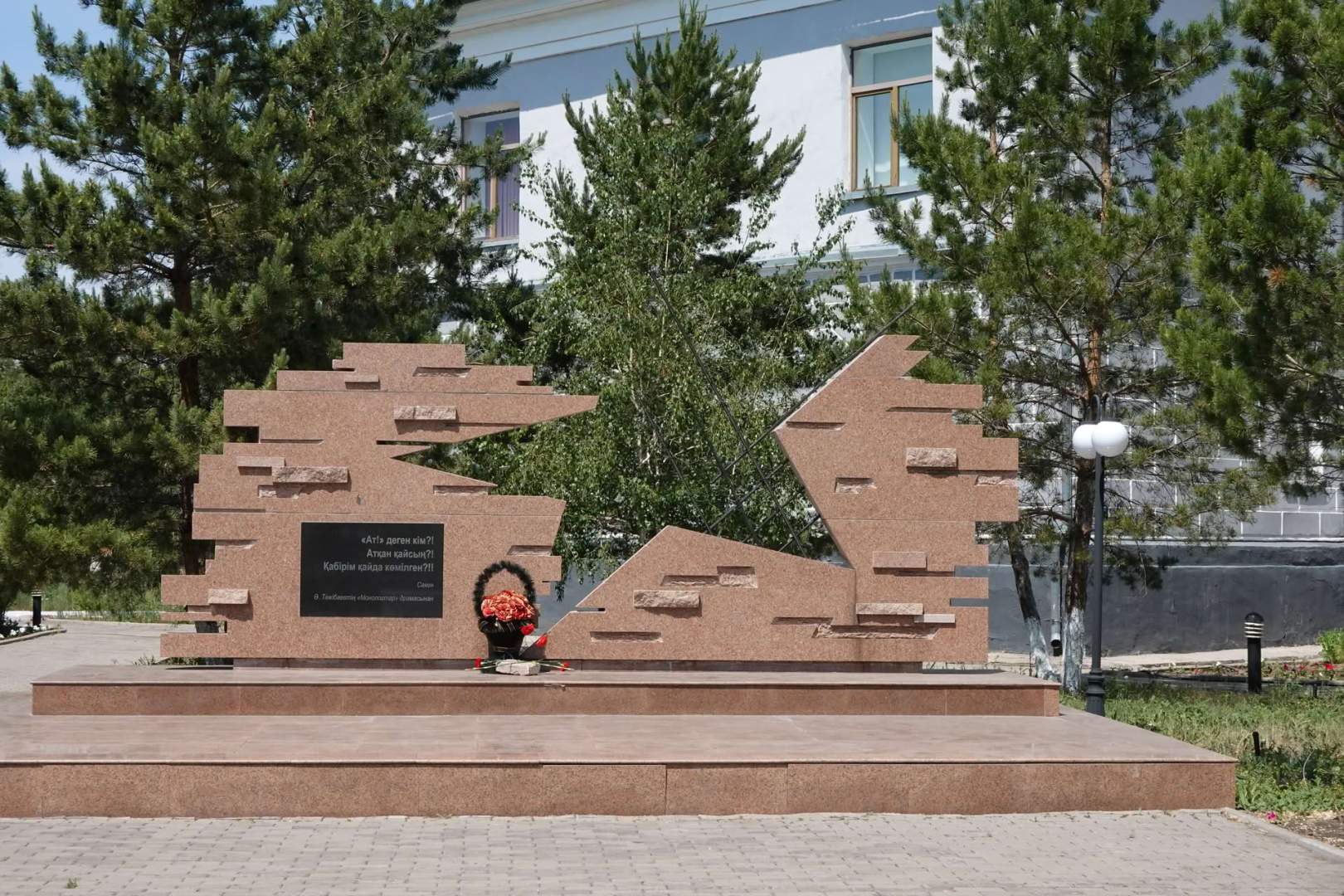

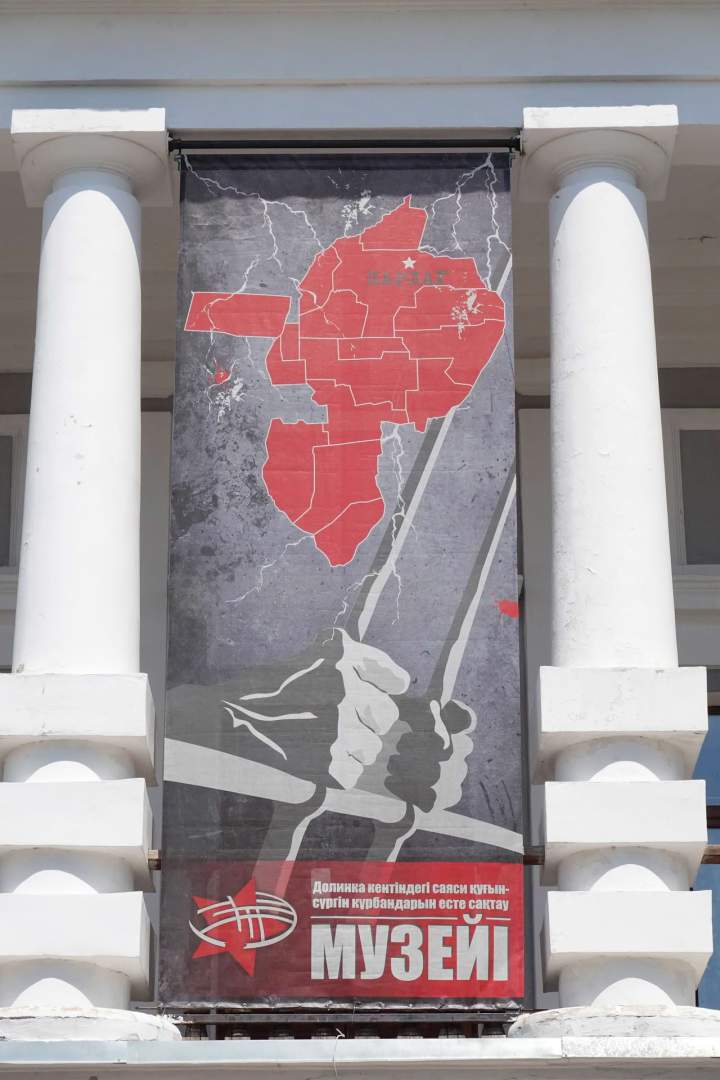

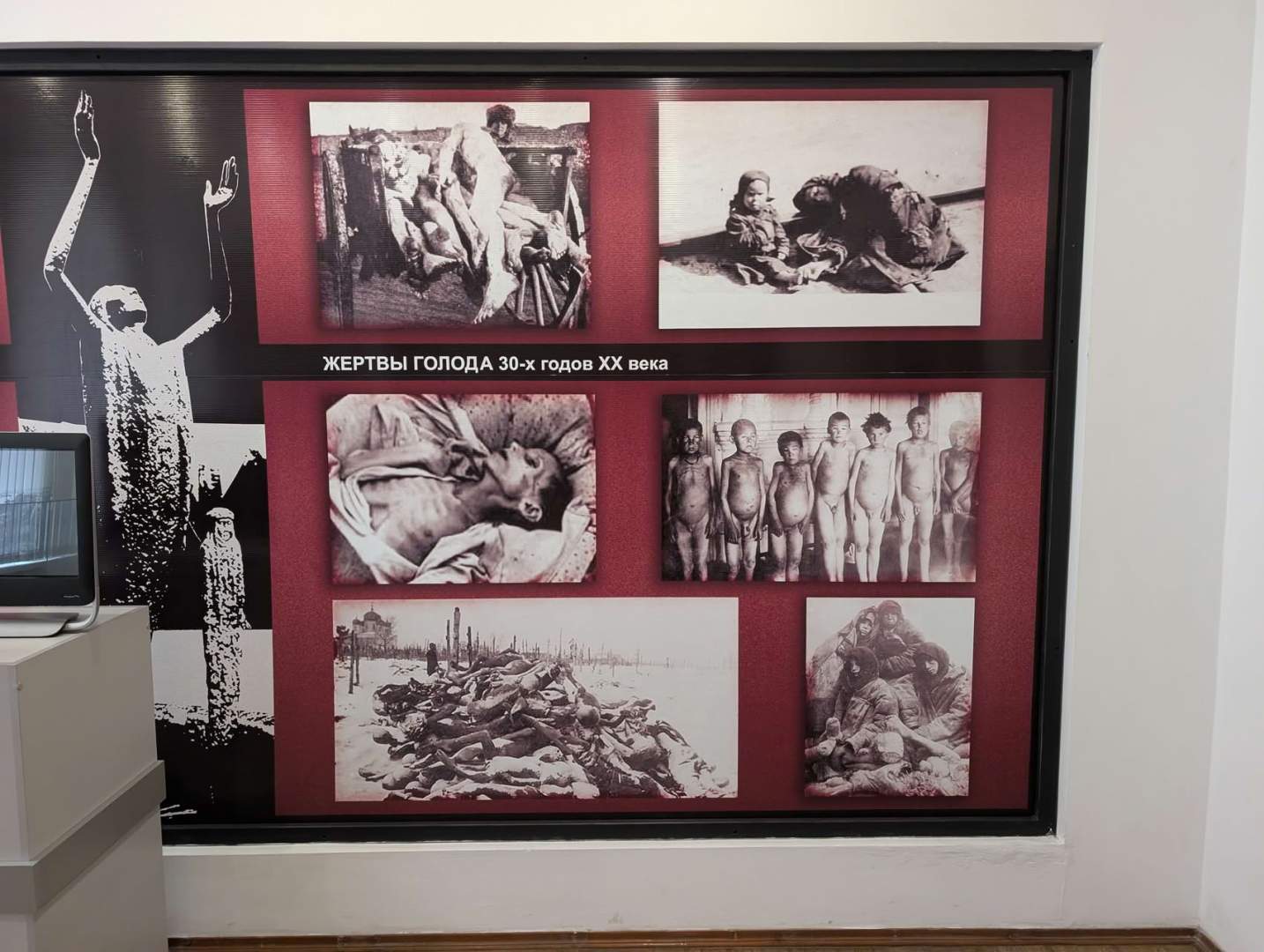


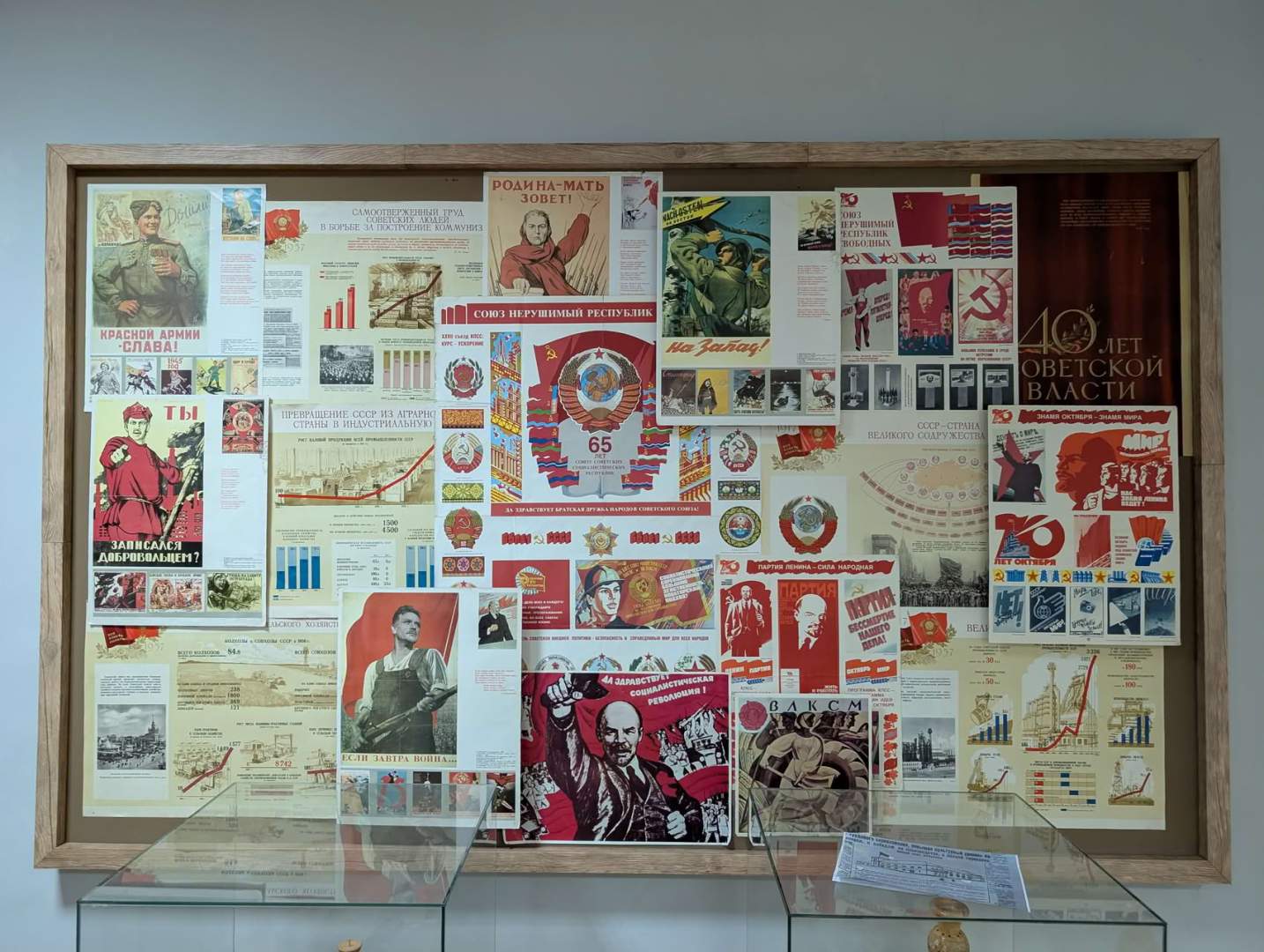




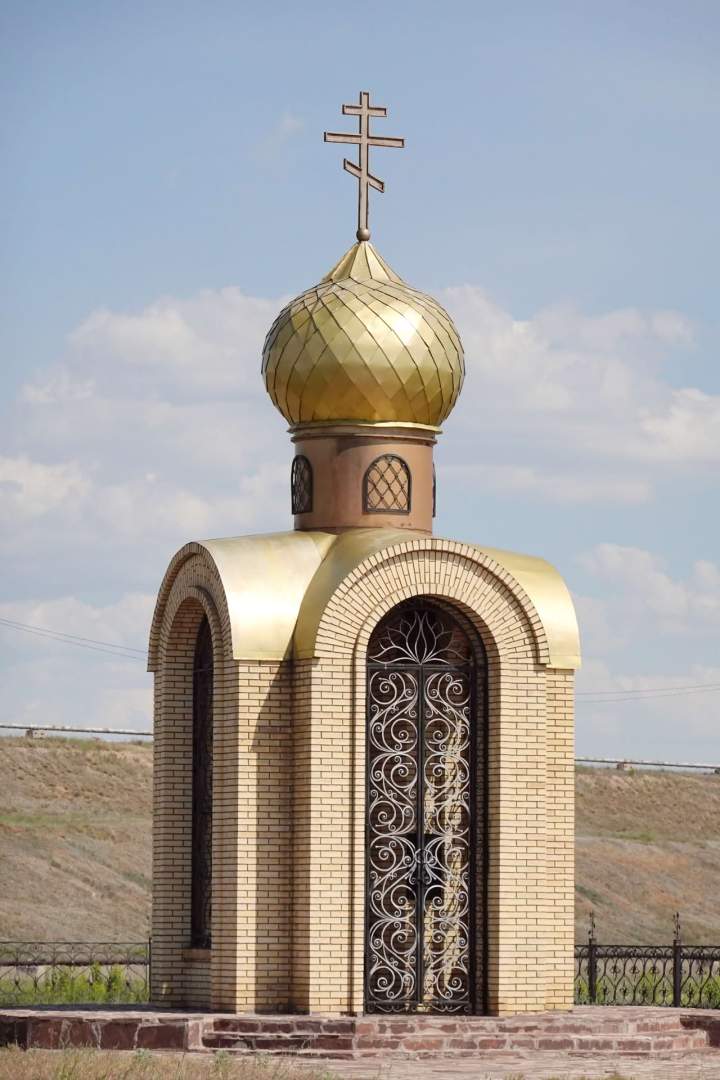




We woke up before the sun had finished stretching its legs, and Dad Edu was already starting the car, heading for Karaganda. At first, the motorway was smooth sailing, but as soon as we turned onto secondary roads, the camper started rattling so much that I nearly shifted out of my spot unintentionally. After a good while of bouncing around, we parked in a town called Dolinka, right in front of the Karlag Museum. From what I heard my humans gossiping about, the Gulags were a network of forced labour camps that the Soviet Union set up in these lands decades ago—brutal places where they put people who didn't align with the regime to make them work in extreme conditions. This particular building was the command centre for one of the most massive camps, and today it is an impressive and hair-raising museum, full of basements, recreations of cells, and offices from that era. I had to stay behind to guard the camper, a task of high responsibility because the humans went inside with a local guide who, as they told me later amidst laughter, spoke such broken, robotic English that she just herded them through the corridors like lost sheep. Upon leaving, we tried to find more traces of that history, but we only stumbled upon a tiny cemetery in the town. Tourism around here is definitely not for everyone, and the moment you go off the beaten track, you won't even find an explanatory sign.
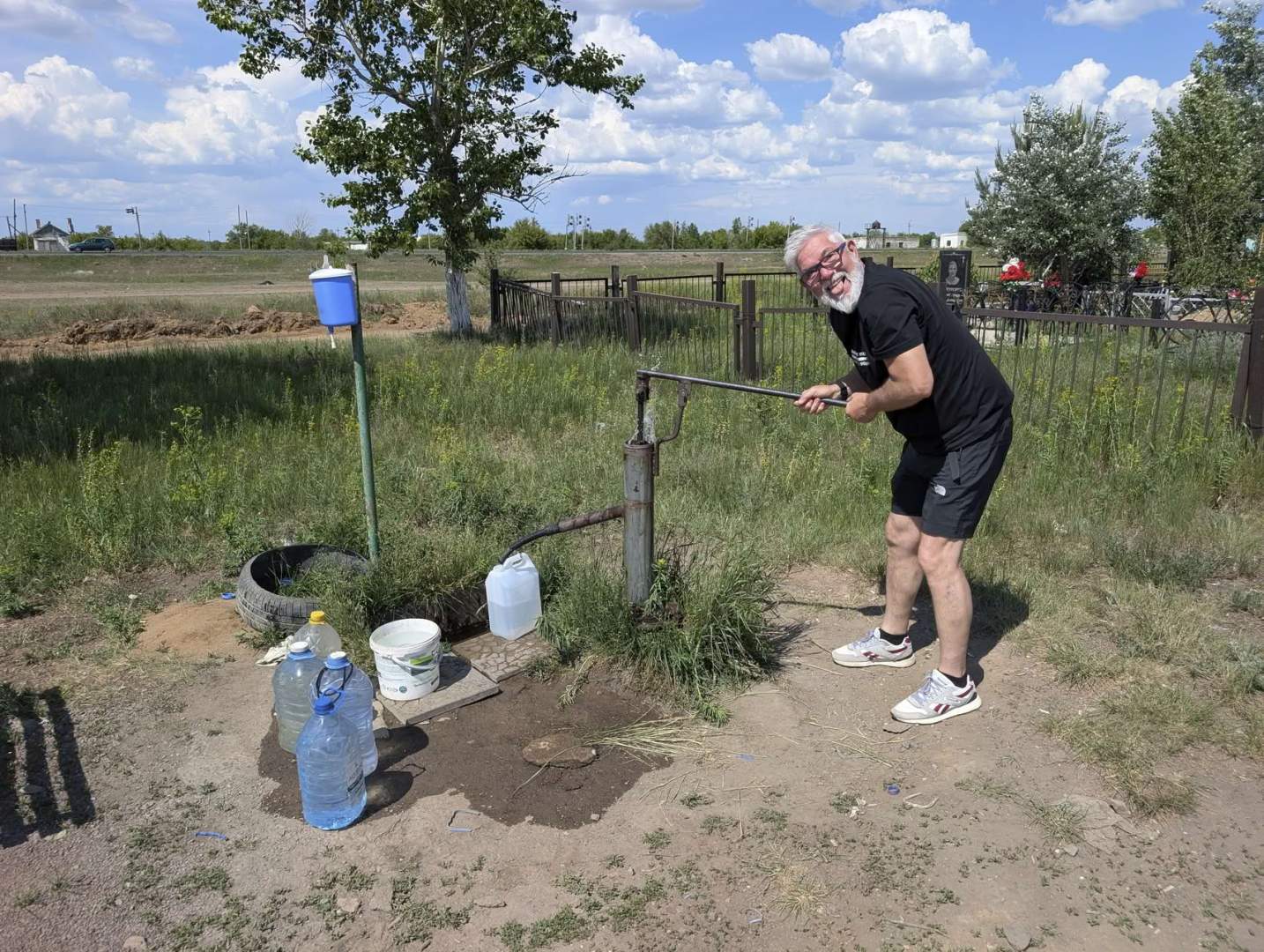
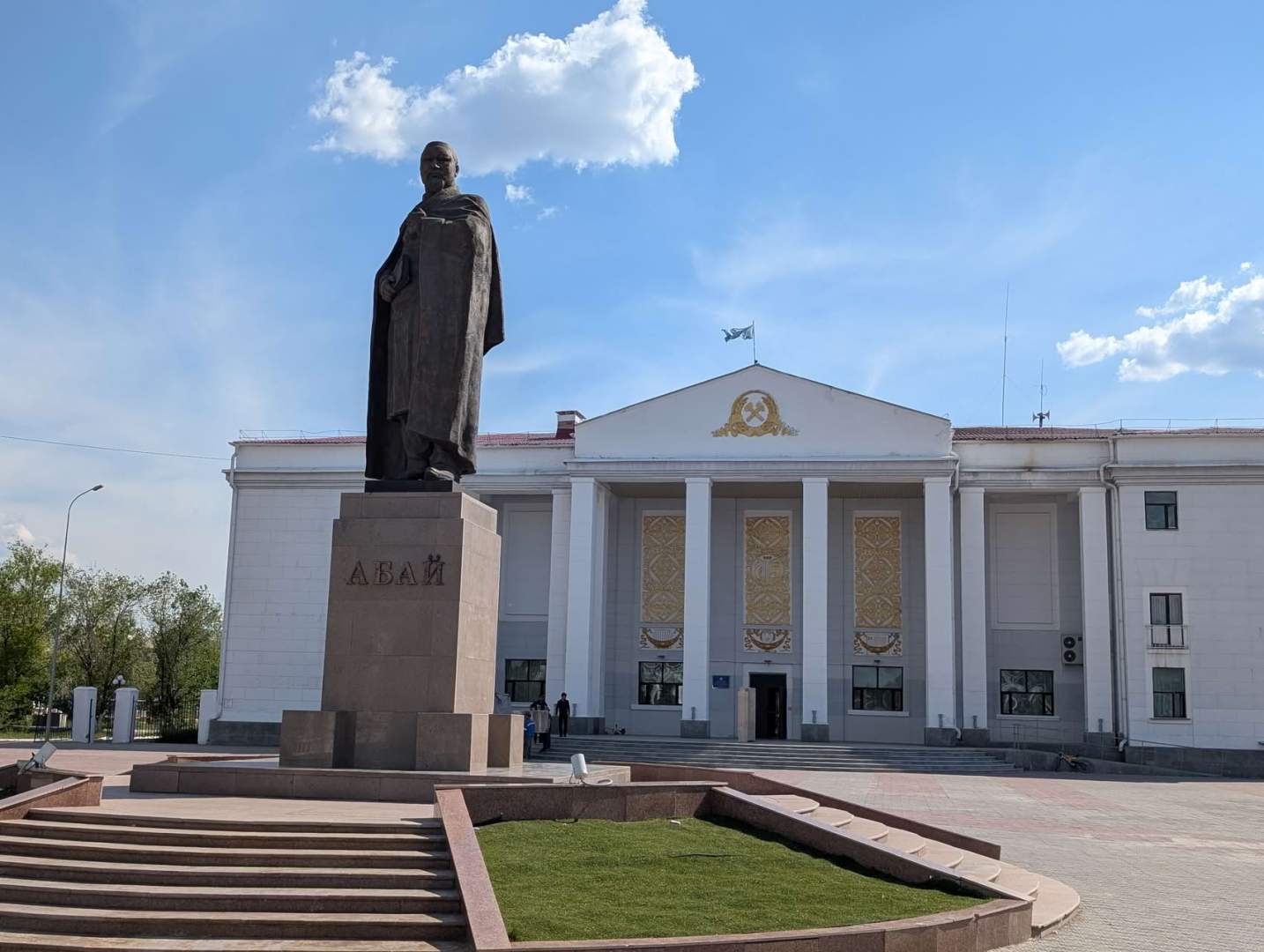
On the way back to Karaganda, we stopped the car to fill up on water at a fountain next to another cemetery, but this one was colossal. In Kazakhstan, cemeteries are not like our boring graveyards; here, they look like authentic miniature cities. The tombs are domes made of adobe, brick, or metal that mimic small houses or a mix of nomadic yurts and mosques, creating an incredibly majestic and visual landscape in the middle of the empty steppe. With the bottles full, we headed towards a small city called Abay. We took a quick look at the centre, but what really left us wide-eyed was seeing gigantic pipes running through the streets above ground. It turns out they are the pipes for the district heating system, a Soviet-era invention where a large plant burns coal and distributes hot water to the entire population through those sorts of floating metal motorways—something that seemed like a brilliant maze for chasing cats if only it weren't so high up.
To end the day in the way we like best, Dad Edu decided to avoid the main road and guided the car along some dirt paths through the countryside. We crossed several towns that were truly terrifying, almost completely abandoned, with ruined houses and ghost streets. This happened because after the fall of the Soviet Union in the nineties, many state-run industries and collective farms collapsed, forcing people to leave for the big cities to avoid starving, leaving behind these ruins that the steppe is slowly swallowing up. Luckily, the exploration ended in an idyllic spot on the shore of a large lake near Karaganda. Upon arrival, we had to share the land with a bunch of humans who were fishing and making a racket, but now that the sun has set, they have all gone home and left us this paradise in absolute calm, perfect for me to rest my four legs after such an intense day.
Añadir nuevo comentario