63 fotos









The place where we slept wasn't bad at all, so we started the morning calmly, as is the custom in this campervan. No rush, no stress.
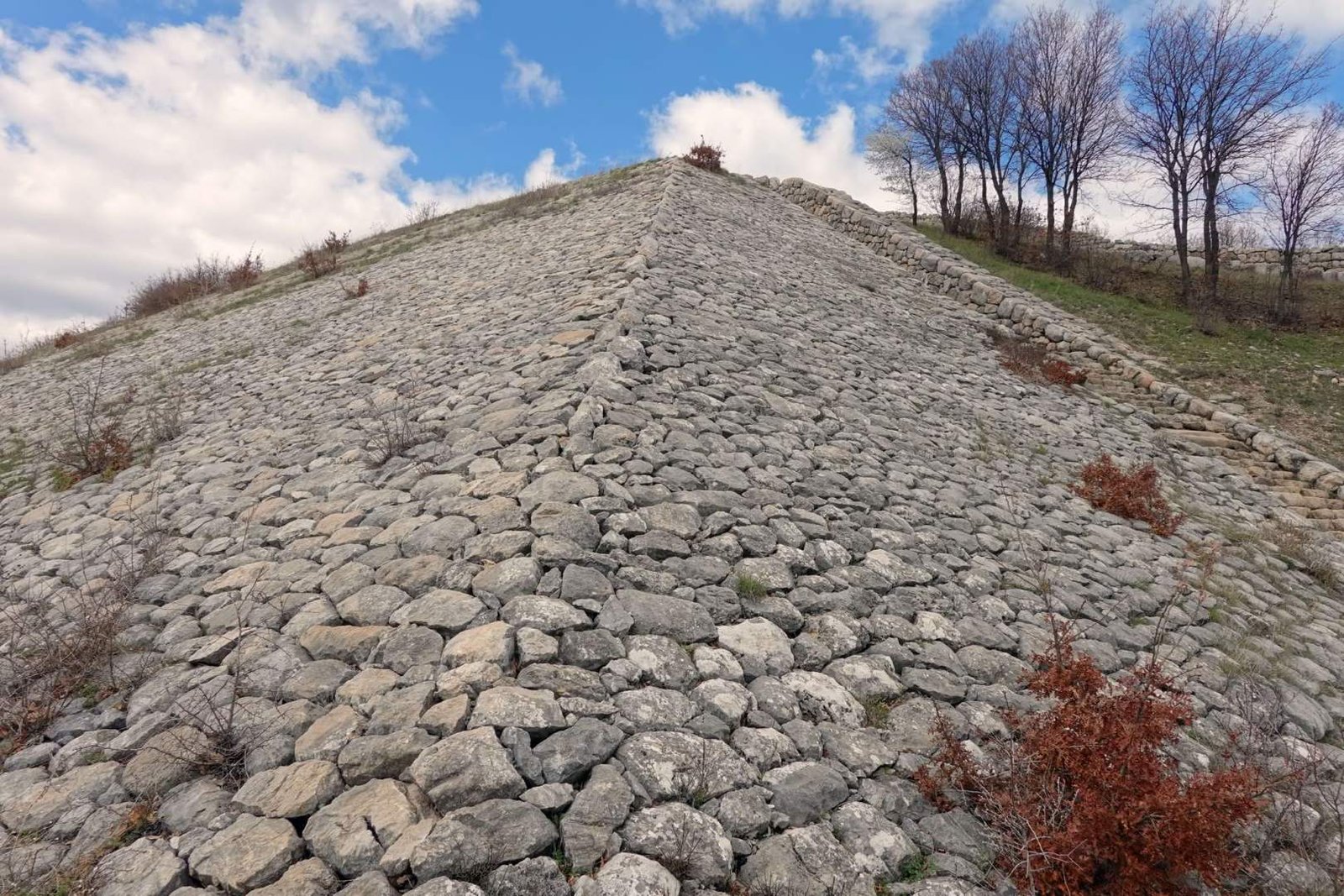
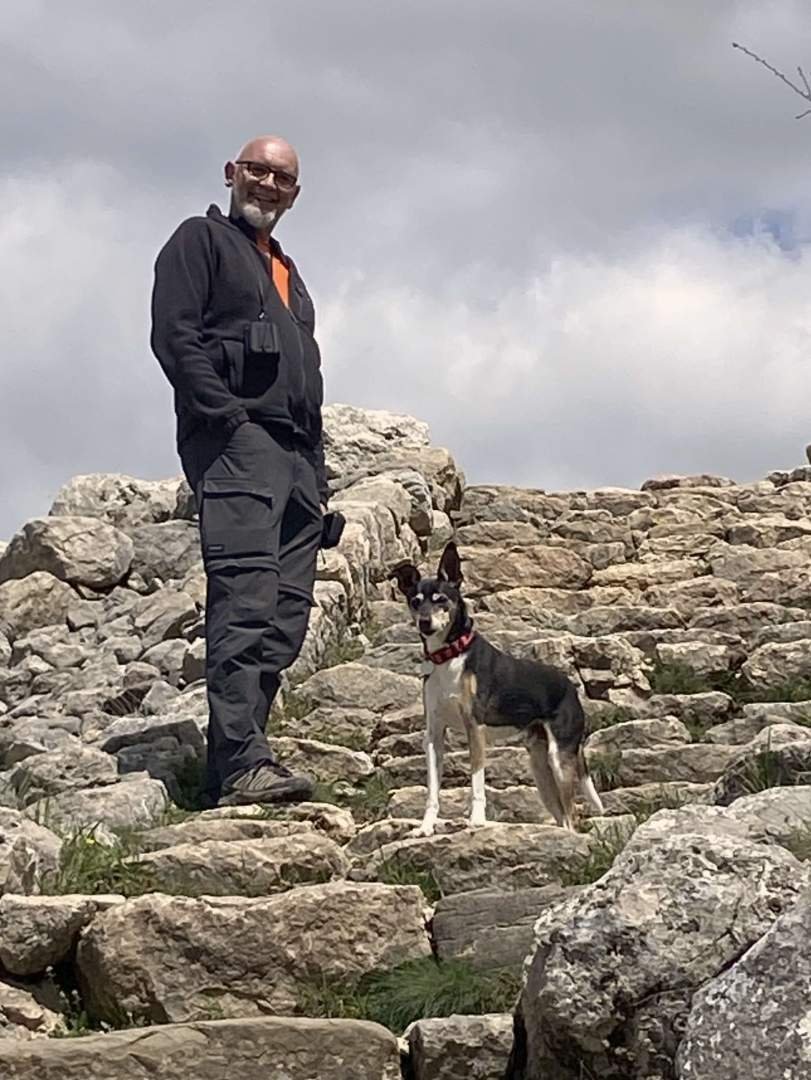
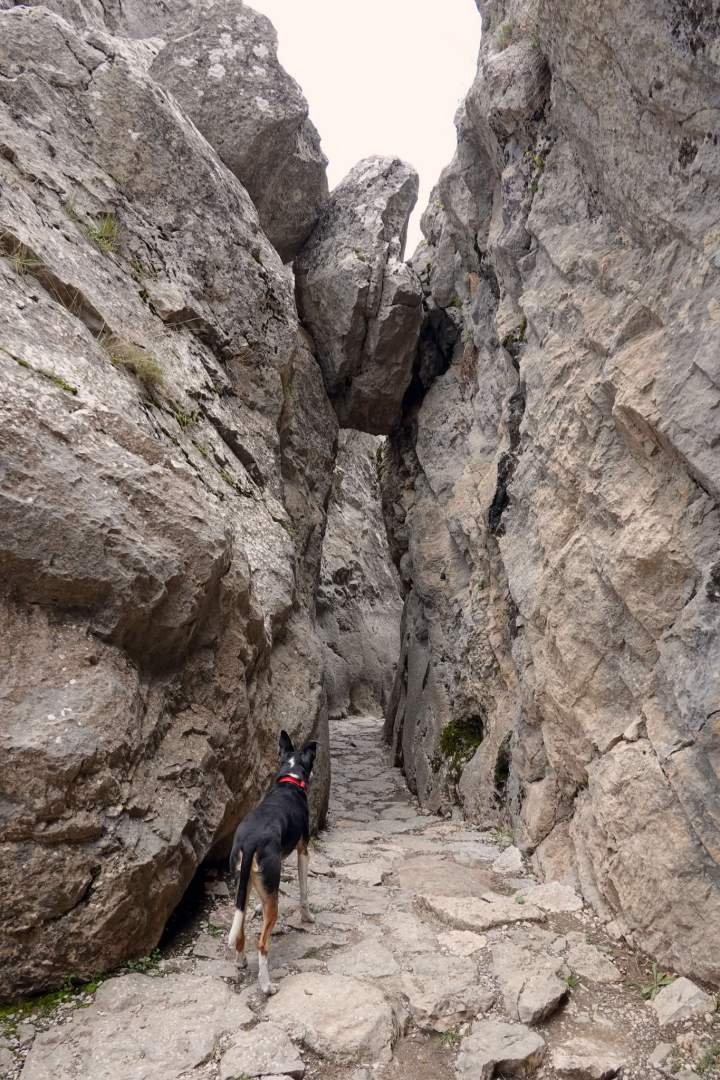
We headed towards Boğazkale, where we entered Hattuşaş Antik Kenti, the ancient city of Hattusa, capital of the Hittite Empire. A huge place, one of those you don't just visit, but explore. The humans paid the entrance fee and a pleasant surprise: I was allowed in too. The tour is a six-kilometre circuit that can be done by car or on foot. We chose the smart version: car with strategic stops. And just as well, because it's not a compact museum; it’s an entire city spread out over hills, stone, and wind.
Hattusa was one of the great capitals of the Hittite world over three thousand years ago. A powerful empire lived here, the kind that fought with the Egyptians and wrote on clay tablets as if they were important messages for the future.
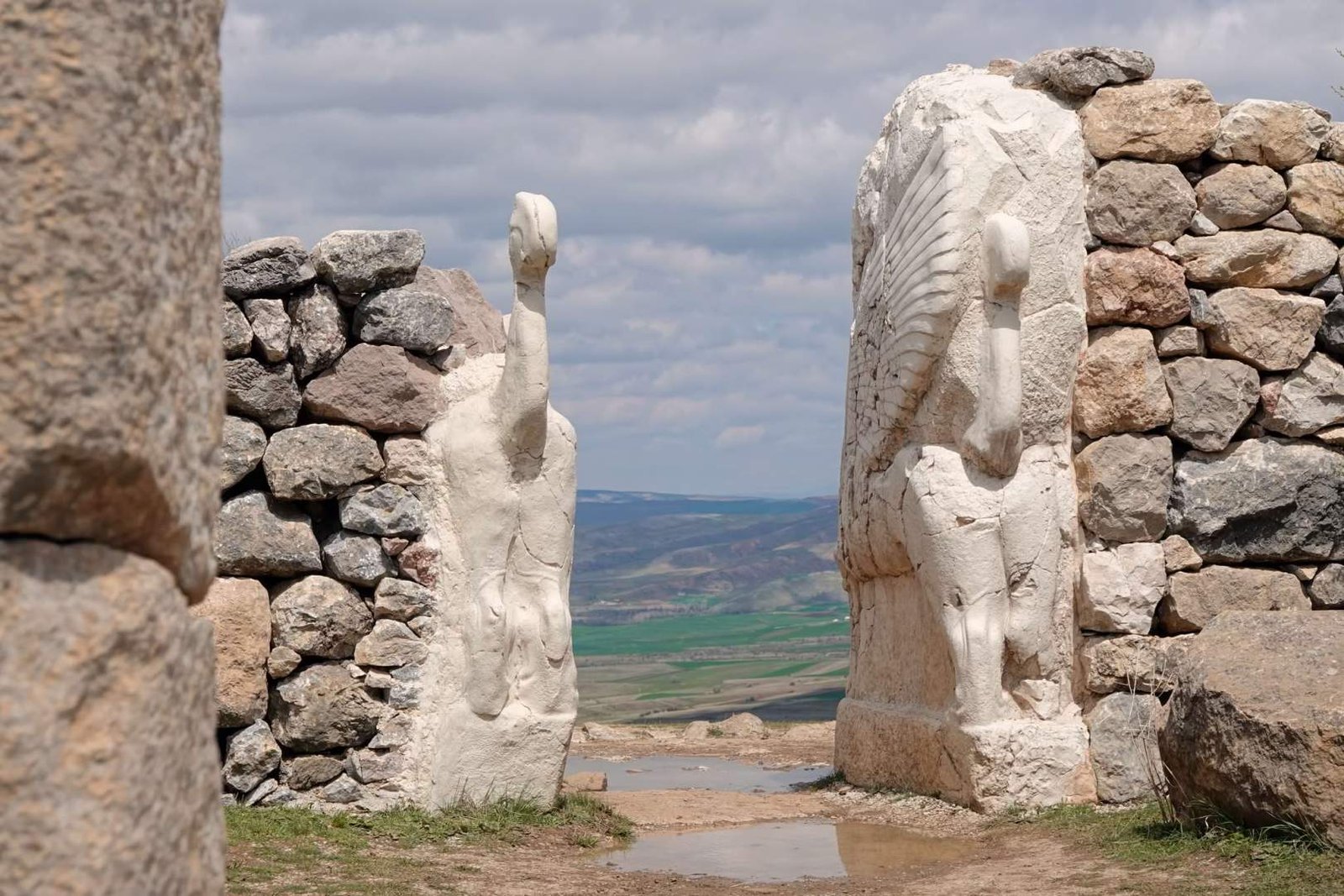
The site is impressive because it’s not just ruins, it’s about scale. Enormous walls, temple remains, monumental gates like the famous Lion Gate, with its carved figures watching over the entrance as if they were still on guard. There is also the King’s Gate and the Sphinx Gate, plus remains of neighbourhoods, warehouses, and structures that make it clear this wasn't just any old village, but a serious capital, with plenty of power and quite a bit of architectural ego.
Everything is also in a beautiful, open landscape, with gentle hills and wide views that make it all seem even older. Honestly, at first, I was more interested in new smells than in vanished empires, but even so, the place grows on you. We spent a couple of hours going through the stops, getting out of the car, getting back in, looking from different angles, and understanding in our own way just how grand it all was. In the end, it really surprised us; it’s one of those places you don't expect to like so much, and it ends up being one of the best of the trip.
After the visit to Hattuşaş Antik Kenti, we headed straight to Yazılıkaya. It’s like the archaeological dessert of it all. An open-air sanctuary, a few kilometres from Hattusa, where the Hittites left figures carved into the rock. It’s not a city or extensive ruins, but rather a stone gallery in the mountain, with reliefs of gods, processions, and symbols that are still there today, standing up to the wind and time as if it were nothing. It’s small compared to Hattusa, but very intense.
After that, we returned to Boğazkale, parked in the middle of town, and ate in the camper with the ease of someone who has already finished the important part of the day. Then we set off towards Çorum, crossing the city without stopping, because it was time to think more about sleeping than visiting.
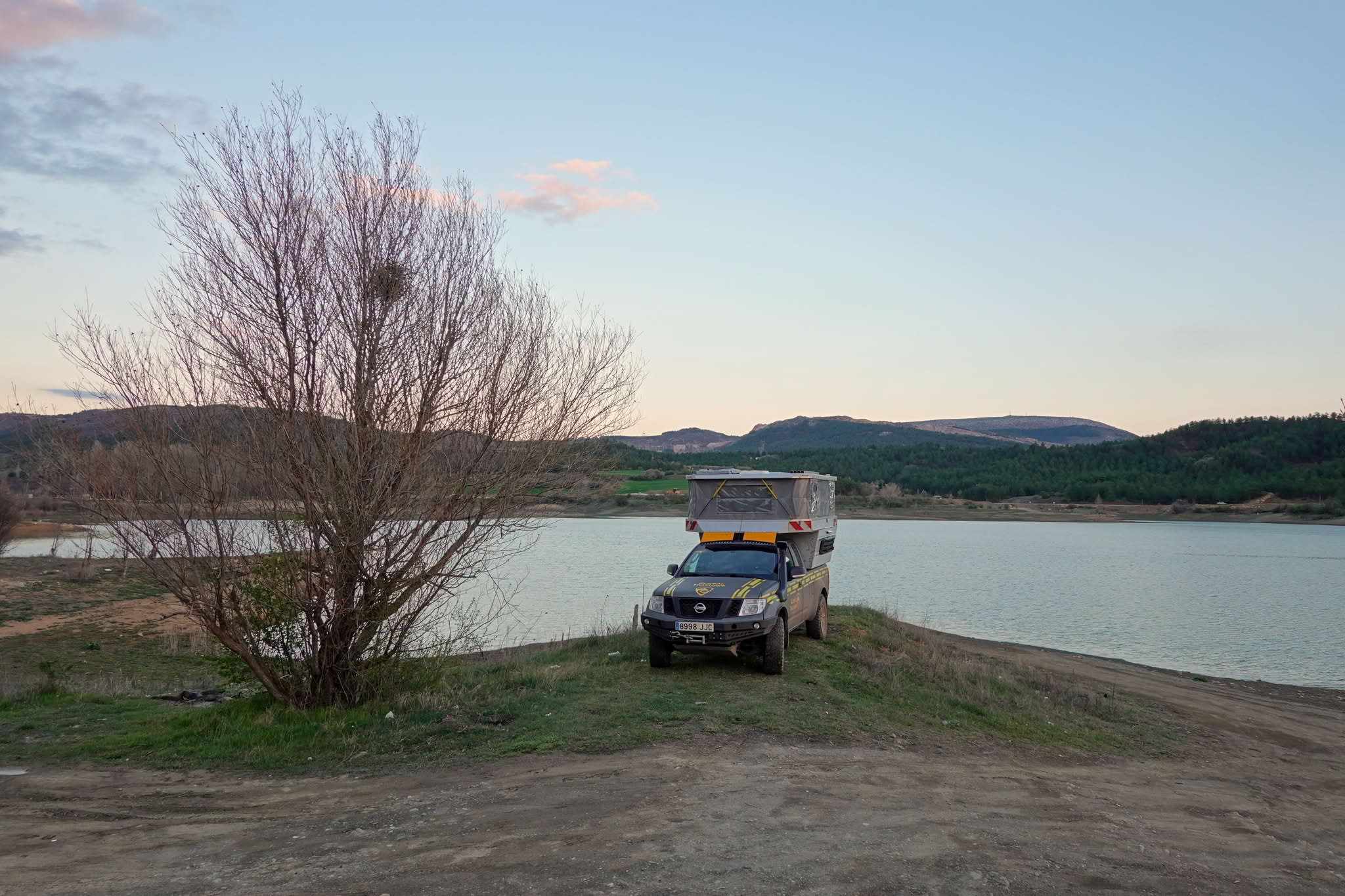
We drove a few kilometres further to the Çorum Barajı reservoir, a place with many picnic areas, quite a lot of weekend activity, and also quite a bit of litter in some spots, but with something that convinced us: the lakeside setting. And that’s where we stayed the night, with the water in front of us and the feeling of having had one of those days that start quietly, become massive, and end in peace once again.
Añadir nuevo comentario